


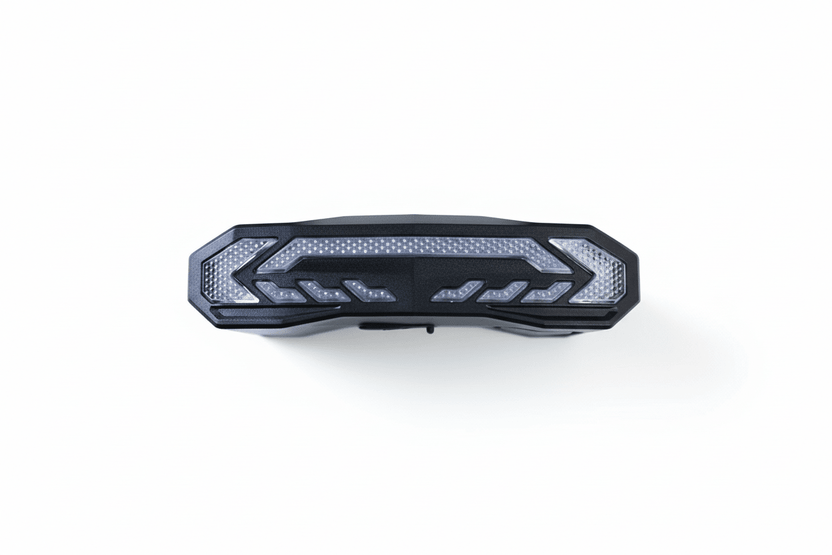
A bike tail light alarm solves two separate problems that are easy to blur together: being easier to notice from behind while riding, and making movement around a parked bike more noticeable. It does not make a bicycle theft-proof, replace a correctly used lock, or guarantee that traffic will see every braking manoeuvre.
That distinction matters. A useful setup starts with a legal, working front and rear light arrangement for the conditions where you ride, then adds a lock suitable for the location and length of the stop. An alarm tail light is a practical extra layer for commuters who want a rear light plus a motion-triggered signal when they leave the bike briefly.
What this type of tail light is for
- Rear visibility: a red rear light helps other road users notice the bicycle in low light.
- Deceleration signalling: brake sensing can increase light intensity when the unit detects deceleration; treat it as an additional signal, not a promise about how a driver will react.
- Parking awareness: a remote-armed motion alarm can draw attention if the bike is moved.
- Daily convenience: USB-C charging and a stable mount matter more than a long feature list if the light will be used every day.
NHTSA recommends a white front light and red rear light or reflector for riding at night or when visibility is poor. Its guidance is about visibility as part of a wider safe-riding system: predictable riding, working brakes, road awareness, and equipment in usable condition. A rear light is not a replacement for those basics.
What it cannot do
An alarm makes noise after movement; it does not physically secure the frame, wheels, or the object you locked to. Bike Index recommends using a combination of locks that secures the wheels and frame to a fixed object for stronger theft prevention. Use the alarm as a deterrent and attention signal, not as the primary security plan.
It also cannot guarantee that following traffic interprets brake sensing correctly, nor can it overcome distraction, poor road layout, weather, or a rider's failure to signal. Keep your rear light clean and charged, look behind before changing position, and follow the lighting rules where you ride.
A commuter setup checklist
- Before riding: charge the unit, confirm the bracket is firm, and check that the rear lens is not blocked by a bag, mudguard, or clothing.
- For dusk, rain, and night: use the tail light as part of a full visibility setup, including a working front light and reflectors where required.
- Before parking: lock the frame and wheel(s) to a fixed object first. Then arm the alarm if you are using it.
- At shared racks: account for ordinary movement from neighbouring bikes. An overly sensitive alarm can create false alerts and make shared parking harder for everyone.
- After rain: inspect the mount and charging cover, and follow the product care instructions before charging.
Where the OPlace tail light fits
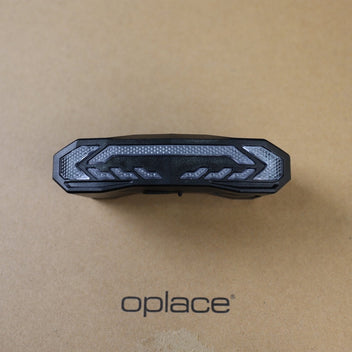
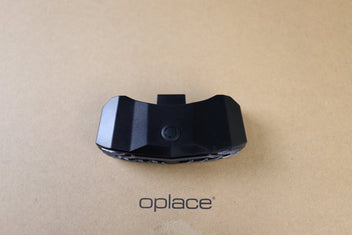
The OPlace 110 dB Brake-Sensing Alarm Bike Tail Light lists a 110 dB alarm level, brake-sensing light response, a supplied wireless remote, USB-C charging, and a standard seatpost bracket. The listing says the remote arms the motion alarm and that movement triggers the siren and flashing-light response. Sound level and real-world response vary with surroundings, mounting, and conditions.
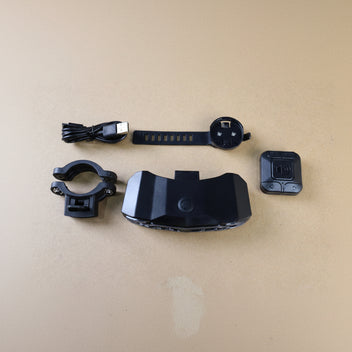
This is not radar, a GPS tracker, a camera, or a replacement for a U-lock. If your goal is security, start with the lock and parking choice. If your goal is visibility, start with a complete lighting system. The combination is useful precisely because it keeps those two jobs separate.
When to choose something else
Choose a simpler rear light if you only need a basic visibility function and do not want to manage a remote or alarm. Choose a dedicated tracker if recovering a stolen bike is your priority. Choose stronger locks or a different parking location when the bicycle will be left for a long time or in a high-risk area. A tail-light alarm is best for a rider who wants a compact extra layer around short stops and a regular rear-light routine.
Bottom line
A brake-sensing alarm tail light can make a daily commuter setup more useful by combining rear-light duty with a motion-alert layer. Use it after the basics: a checked bike, appropriate lights, a proper lock, and thoughtful parking. That is a credible security-and-visibility routine; treating one small accessory as a complete solution is not.
0 comments